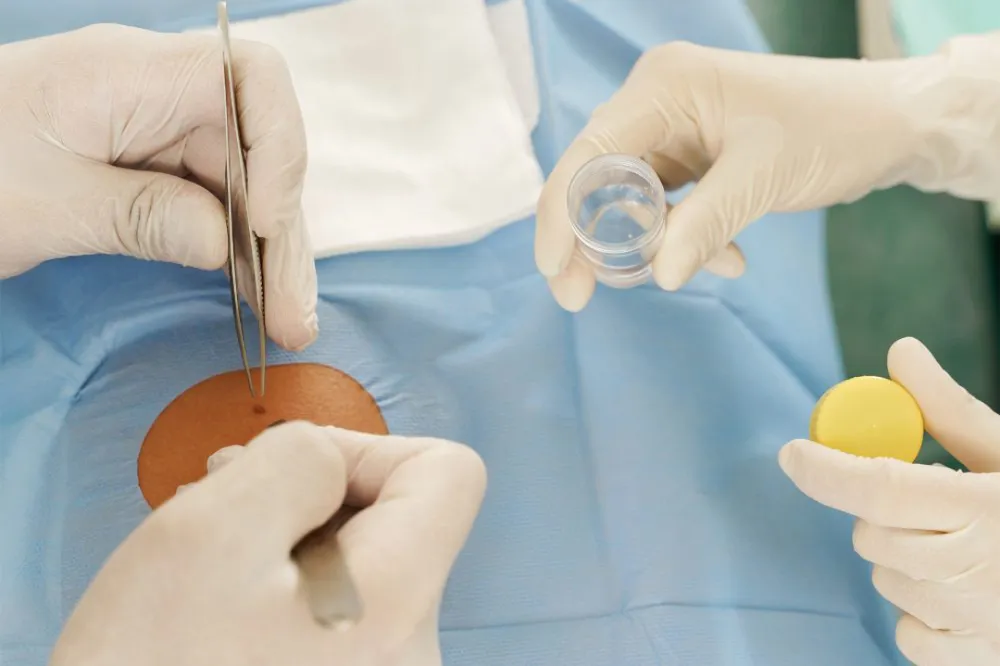
Skin Biopsy
General Dermatology
Skin Biopsy
Treatment Overview
Ideal For:
- Suspicious skin lesions
- Undiagnosed skin rashes
- Changing moles
- Chronic skin conditions
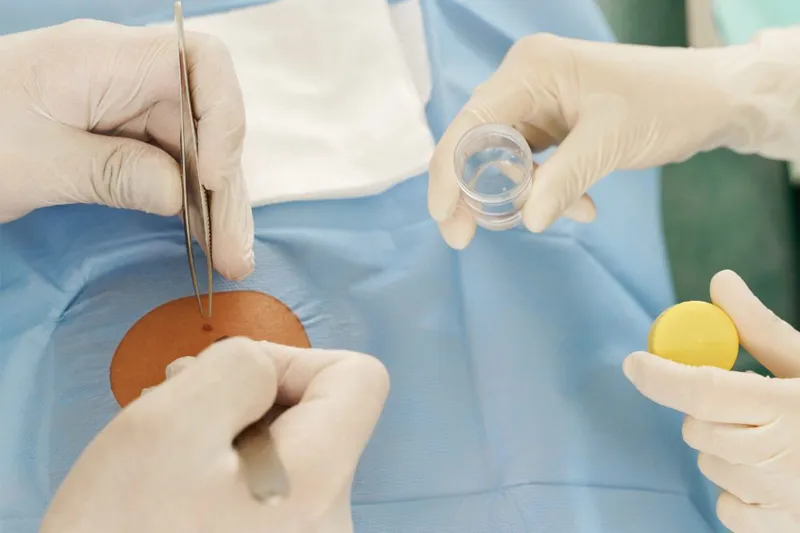
Skin Biopsy: Accurate Diagnosis for Effective Treatment
A skin biopsy is a essential diagnostic procedure that helps our dermatologists accurately identify skin conditions that cannot be diagnosed by visual examination alone. By examining skin tissue under a microscope, we can provide definitive diagnoses and develop targeted treatment plans.
When Is a Skin Biopsy Needed?
Diagnostic Purposes:
- Distinguishing between different types of rashes or skin conditions
- Identifying inflammatory skin diseases
- Diagnosing autoimmune skin conditions
- Confirming suspected infections
Cancer Screening:
- Evaluating suspicious moles or lesions
- Confirming or ruling out skin cancer
- Determining the type and depth of skin cancer
- Guiding treatment decisions
Types of Skin Biopsy
Shave Biopsy - A thin layer of skin is shaved off using a surgical blade. Ideal for superficial lesions and raised growths.
Punch Biopsy - A circular tool removes a small, cylindrical sample including deeper skin layers. Used for rashes and conditions affecting deeper tissues.
Excisional Biopsy - The entire lesion is removed along with surrounding tissue. Preferred for suspected melanomas or when complete removal is desired.
Incisional Biopsy - A portion of a larger lesion is removed for analysis. Used when the lesion is too large for complete removal.
The Biopsy Process
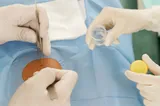
- Preparation - The area is cleaned and marked
- Anesthesia - Local anesthetic numbs the site completely
- Biopsy - The appropriate technique is performed based on the lesion type
- Closure - Stitches may be placed if needed
- Specimen Processing - Tissue is sent to the pathology laboratory
- Results - Findings are typically available within 4-10 days
What to Expect
During the Procedure: You’ll feel the initial anesthetic injection, then no pain during the biopsy itself.
After the Procedure: The site is bandaged. Mild tenderness is normal for 1-2 days.
Wound Care: Keep the area clean and dry. Follow specific instructions based on biopsy type.
Follow-up: We’ll contact you with results and schedule a consultation if needed.
Understanding Your Results
Our pathologists provide detailed reports that help determine:
- The exact nature of your skin condition
- Whether any abnormal or cancerous cells are present
- The characteristics of the condition for treatment planning
- If complete removal was achieved (for excisional biopsies)
Post-Biopsy Care
- Keep the bandage dry for 24 hours
- Clean gently with soap and water after 24 hours
- Apply antibiotic ointment as directed
- Watch for signs of infection (increased redness, swelling, discharge)
- Return for suture removal if applicable
Procedure time: 15-30 minutes Anesthesia: Local anesthetic Results: 4-10 days for pathology report
If you have a concerning skin lesion or undiagnosed skin condition, schedule a consultation with our dermatologists to determine if a biopsy is appropriate for your situation.
Frequently Asked Questions about Skin Biopsy
Is a skin biopsy painful?
The procedure is performed under local anesthesia, so you'll feel only a small pinch from the anesthetic injection. The biopsy itself is painless.
How long do biopsy results take?
Results are typically available within 4-10 days. Our team will contact you to discuss findings and any necessary next steps.
Will a skin biopsy leave a scar?
Small biopsies usually heal with minimal or no visible scarring. Larger excisional biopsies may leave a small scar that fades over time.
What happens if the biopsy shows something concerning?
Our dermatologists will discuss the findings with you in detail and recommend appropriate treatment options based on the diagnosis.
-
Chemical Peels
-
Hair Transplant
-
Skin Tag & Wart Removal
-
Laser Hair Reduction
-
Ear Lobe Repair
-
Stem Cell Therapy
-
Exosome Therapy
-
Micro-dermabrasion
-
PRP for Hair
-
Skin Biopsy
-
HIFU
-
Vitiligo Treatment & Grafting
-
Cyst Removal
-

HydraFacial
-
Mesotherapy for Scalp
-
Nail Surgery
-
Photo Facial
-
PRP for Skin
-
Mole Removal
-

Microneedling
-
Dermal Fillers
-

Thread Lift
-
Tattoo Removal
-
Skin Boosters
-
Q-Switched Nd:YAG Laser