Exosome Therapy: The Next Frontier in Skin Rejuvenation
Discover how exosome therapy is revolutionizing skin rejuvenation. Learn what exosomes are, how they work, and why they're considered one of the most exciting advances in regenerative aesthetics.
Exosome therapy is rapidly emerging as one of the most exciting innovations in aesthetic dermatology. These tiny, powerful messengers are changing how we approach skin rejuvenation — offering deeper, more natural results than many conventional treatments. Here’s everything you need to know about this cutting-edge therapy.
What Are Exosomes?
Exosomes are nano-sized extracellular vesicles — tiny packets released by cells that carry proteins, growth factors, lipids, and genetic material (mRNA and microRNA). Think of them as the body’s own delivery system, shuttling important signals between cells to regulate healing, regeneration, and communication.
In aesthetic medicine, exosomes are typically derived from stem cells and are rich in:
- Growth factors: Stimulate collagen and elastin production
- Cytokines: Regulate inflammation and immune response
- Peptides: Support cellular repair and renewal
- Nucleic acids: Influence gene expression for tissue regeneration
How Does Exosome Therapy Work for Skin?
When applied to the skin — either topically after a procedure or via microinjections — exosomes communicate directly with your skin cells, instructing them to:
- Boost collagen synthesis: Restoring firmness and reducing fine lines
- Accelerate cell turnover: Promoting fresher, more radiant skin
- Reduce inflammation: Calming redness and irritation
- Enhance wound healing: Speeding recovery after aesthetic procedures
- Improve skin barrier function: Strengthening the skin’s natural defenses
Unlike treatments that work from the outside in, exosomes work at the cellular level — essentially reprogramming your skin cells to behave more youthfully.
What Can Exosome Therapy Treat?
Exosome therapy is versatile and can address a wide range of skin concerns:
- Fine lines and wrinkles: By stimulating collagen and elastin production
- Dull, uneven skin tone: Through enhanced cell turnover and reduced pigmentation
- Acne scars and texture irregularities: By promoting tissue remodeling
- Sun damage and photodamage: Supporting repair at the cellular level
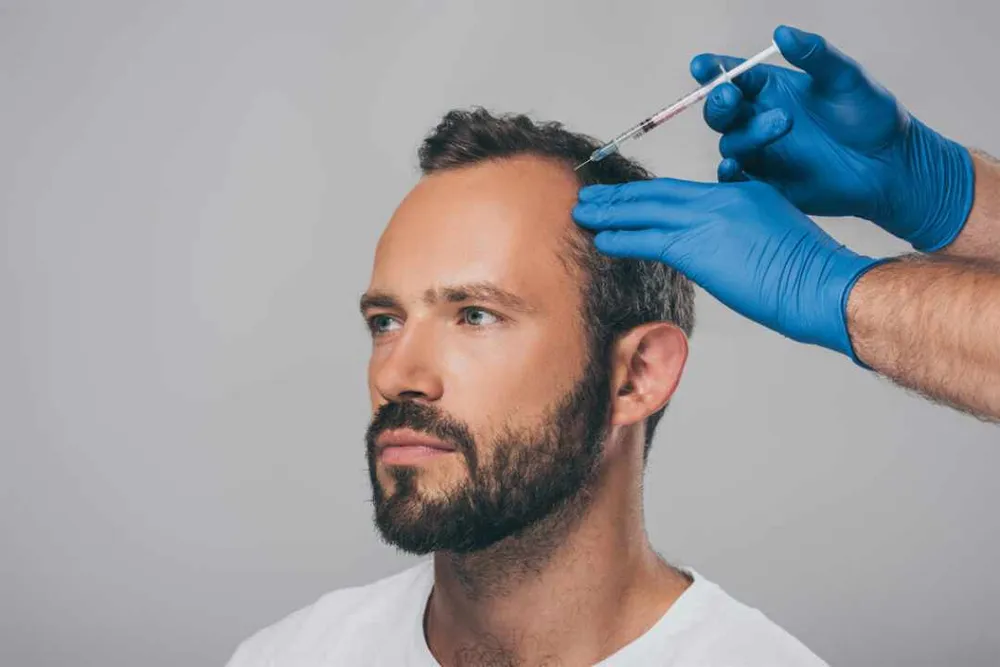
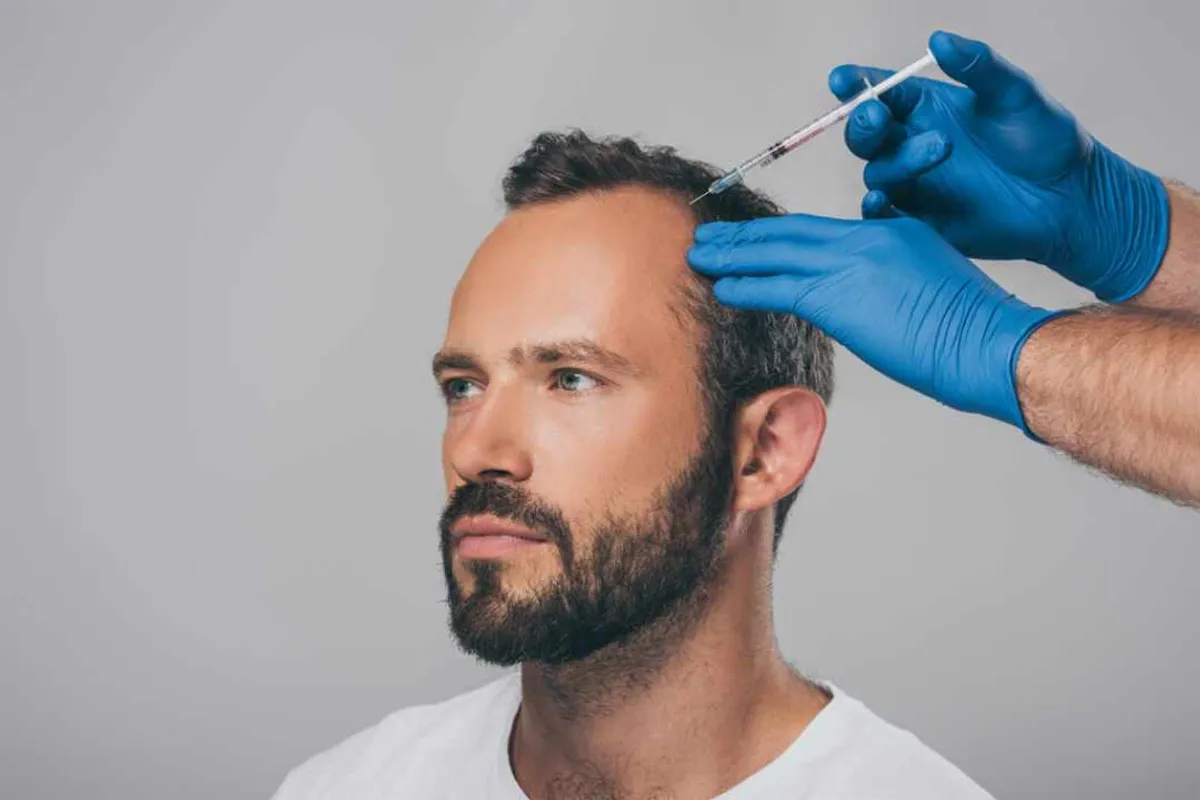
- Hair thinning: Stimulating dormant hair follicles when applied to the scalp
- Post-procedure recovery: Accelerating healing after laser treatments, microneedling, or chemical peels
Exosomes vs. PRP: What’s the Difference?
Many patients ask how exosome therapy compares to PRP (Platelet-Rich Plasma). While both are regenerative treatments, there are key differences:
| Feature | Exosomes | PRP |
|---|---|---|
| Source | Stem cell-derived | Patient’s own blood |
| Growth factor concentration | Very high and consistent | Varies by individual |
| Blood draw required | No | Yes |
| Age-dependent results | No | Yes — older patients may have fewer active platelets |
| Anti-inflammatory properties | Strong | Moderate |
Exosomes offer a more standardized and potent dose of regenerative signals, regardless of the patient’s age or health status.
What to Expect During Treatment
An exosome therapy session is straightforward and comfortable:
- Consultation: Your skin concerns are assessed and a treatment plan is created
- Skin preparation: The treatment area is cleansed and, if needed, a numbing cream is applied
- Application: Exosomes are delivered via microneedling, microinjections, or applied topically after a laser or peel procedure
- Duration: The session typically takes 30–60 minutes
- Recovery: Minimal downtime — mild redness may occur for 24–48 hours
Most patients notice initial improvements within a few days, with results continuing to develop over 4–6 weeks as collagen remodeling takes place.
How Many Sessions Are Needed?
The number of sessions depends on your skin concerns and goals:
- Mild concerns (dullness, early aging): 1–2 sessions
- Moderate concerns (fine lines, uneven texture): 3–4 sessions
- Advanced concerns (scarring, significant photodamage): 4–6 sessions
Sessions are typically spaced 2–4 weeks apart, with maintenance treatments recommended every 3–6 months.
Why Combine Exosomes with Other Treatments?
One of the greatest strengths of exosome therapy is how well it pairs with other aesthetic procedures:
- Microneedling + Exosomes: The micro-channels created during microneedling allow exosomes to penetrate deeper, amplifying results
- Laser treatments + Exosomes: Exosomes applied post-laser can significantly speed healing and enhance outcomes
- Chemical peels + Exosomes: Reduces downtime and boosts the rejuvenating effects of peels
This combination approach often delivers superior results compared to any single treatment alone.
Is Exosome Therapy Safe?
Exosome therapy has an excellent safety profile. Since exosomes are cell-free — they contain no living cells — the risk of adverse reactions is extremely low. They are non-immunogenic, meaning they don’t trigger rejection or allergic responses. However, it’s essential to receive treatment from a qualified dermatologist using high-quality, lab-certified exosome products.
The Bottom Line
Exosome therapy represents a paradigm shift in how we approach skin rejuvenation. By harnessing the body’s own cellular communication system, we can stimulate genuine, lasting skin renewal from the inside out. Whether used as a standalone treatment or combined with other procedures, exosomes offer a powerful tool for achieving healthier, more youthful skin.
If you’re curious about whether exosome therapy is right for you, schedule a consultation with us at Sapphire Skin Clinic. We’ll assess your skin and create a personalized treatment plan to help you achieve your aesthetic goals.